Looking for a Himalayan trek that doesn't require weeks of planning or days of flights to reach the trailhead? The Langtang Valley Trek is Nepal's most accessible mountain adventure, a week-long teahouse route through forested valleys and Tibetan Buddhist villages, starting just a day's drive from Kathmandu. While Everest and Annapurna draw the crowds, Langtang offers the same caliber of mountain scenery with a fraction of the trail traffic.
In this blog, we cover everything you need to plan your Langtang Valley Trek for 2026: difficulty ratings, realistic costs, required permits, a detailed day-by-day itinerary, and the practical details that make the difference between a smooth trip and a stressful one.
What Is the Langtang Valley Trek
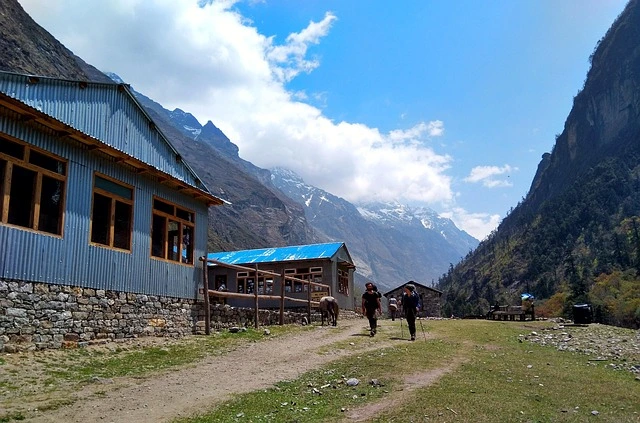
The Langtang Valley Trek is a moderate teahouse trek in Nepal's Langtang National Park, roughly 30 kilometers north of Kathmandu near the Tibetan border. Most trekkers complete the route in 7 to 10 days, reaching a maximum elevation of 3,870 meters at Kyanjin Gompa, though optional day hikes push higher. The trail follows the Langtang Khola river through dense forests, traditional Tamang villages, and alpine meadows before ending at a small settlement with a Buddhist monastery and a yak cheese factory.
Langtang is one of Nepal's three major trekking regions, alongside Everest and Annapurna, yet it sees far fewer visitors. The relative quiet, combined with easy access from Kathmandu, makes it a solid choice for first-time Himalayan trekkers or anyone with limited time. You'll experience authentic mountain culture without the crowded trails and teahouse queues that define peak season in more popular regions. The proximity to Kathmandu also means less time spent on rough roads and more time actually trekking, a practical advantage that shouldn't be underestimated when planning a week-long trip.
Top Highlights of the Langtang Valley Trek
The Langtang Valley packs mountain scenery, wildlife habitat, and living Tibetan Buddhist culture into a week's walk from the capital.
Kyanjin Gompa Monastery
Kyanjin Gompa sits at the trek's highest overnight point and serves as both a spiritual center and a practical base for day hikes. The monastery itself is small but atmospheric, with prayer wheels and fluttering flags against a backdrop of glaciated peaks. Just down the path, a local cheese factory produces yak cheese using Swiss techniques introduced decades ago, an unexpected cultural footnote at 3,870 meters.
Langtang National Park
Established in 1976, Langtang was Nepal's first Himalayan national park. The trail passes through distinct vegetation zones: oak and rhododendron forests at lower elevations, bamboo groves in the middle section, and alpine scrub near the valley head. Wildlife sightings are possible, though not guaranteed. Red pandas, Himalayan tahr, and langur monkeys inhabit the park.
Tamang and Tibetan Culture
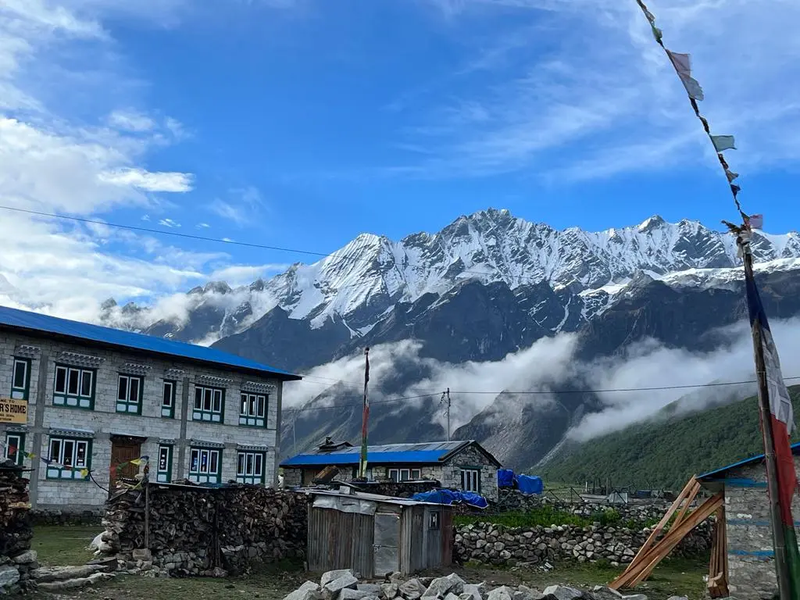
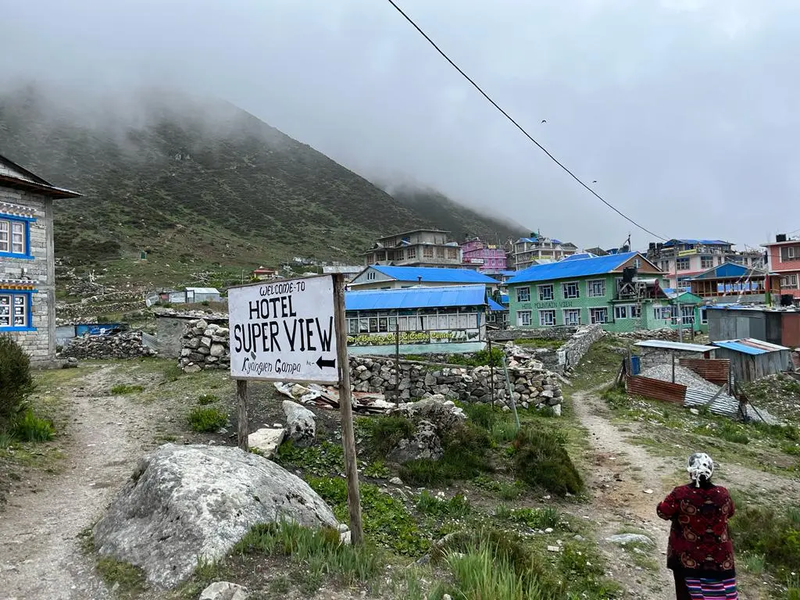
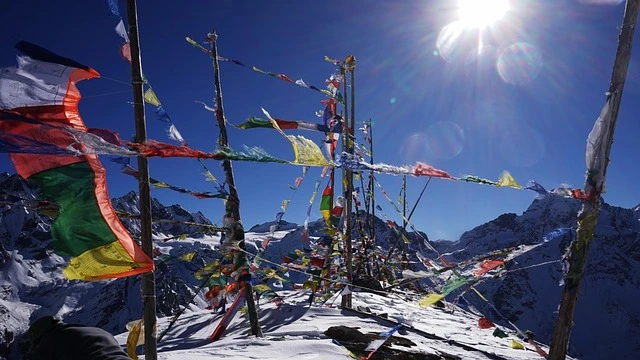
The villages along the trail are predominantly Tamang, an ethnic group with strong Tibetan Buddhist roots. Prayer flags stretch across the path, mani walls line the route, and teahouse owners often maintain small shrines. Staying in Tamang villages offers a window into daily life that feels genuinely unhurried.
Tserko Ri Viewpoint
From Kyanjin Gompa, an optional day hike climbs to Tserko Ri at 4,984 meters. The summit panorama includes Langtang Lirung, Ganesh Himal, and peaks extending toward Tibet. This is the trek's most demanding single day, but the views justify the effort for trekkers who are well-acclimatized.
Langtang Lirung Panorama
Langtang Lirung (7,227 meters) dominates the upper valley. You'll see this peak repeatedly as you trek higher, its glaciers and ridgelines shifting perspective with each day's progress.
How Difficult Is the Langtang Valley Trek
The Langtang Valley Trek is rated moderate, making it suitable for reasonably fit beginners with no prior high-altitude trekking experience. You'll walk 5 to 7 hours daily, covering 10 to 15 kilometers through forest paths, rocky sections, and village trails with no technical climbing required. The cumulative elevation gain from Syabrubesi (1,503 meters) to Kyanjin Gompa (3,870 meters) is roughly 2,400 meters, spread across several days to allow gradual acclimatization. For a detailed breakdown of terrain, fitness requirements, and what to expect each day, see our complete Langtang Valley Trek Difficulty Guide.
The main challenge is altitude rather than physical difficulty. Kyanjin Gompa sits at 3,870 meters, high enough that some trekkers experience mild altitude symptoms like headaches, fatigue, or difficulty sleeping. The standard itinerary includes an acclimatization day at Kyanjin Gompa to help your body adjust. Listening to your body and ascending gradually matters more than sticking rigidly to a schedule; descending immediately if symptoms worsen is the safest approach.
How Long Does the Langtang Valley Trek take
The Langtang Valley Trek takes 7 to 10 days round-trip from Kathmandu, including road transport to and from the trailhead at Syabrubesi. Most trekkers follow an 8-day itinerary that includes 5 to 6 days of actual trekking and 2 days of driving. This standard route allows enough time to reach Kyanjin Gompa at 3,870 meters, spend an acclimatization day for altitude adjustment, and descend comfortably without rushing through the trail's highlights.
Shorter 7-day versions skip the Tserko Ri day hike or reduce rest time, while extended 12 to 15-day itineraries add side trips to Gosainkunda Lake or the Tamang Heritage Trail. The 8-day format remains most popular because it balances proper acclimatization at Kyanjin Gompa with a manageable pace, reducing altitude sickness risk while giving you time to explore the monastery, cheese factory, and optional viewpoint hikes without feeling pressed for time. For a complete breakdown of each trekking day with distances, elevation profiles, and what to expect, see our detailed Langtang Valley itinerary.
Best Time to Trek the Langtang Valley
The best time to trek Langtang Valley is during spring (March to May) and autumn (September to November), when weather conditions are stable, skies are clear, and mountain views are at their sharpest. These seasons offer comfortable daytime temperatures, reliable trail conditions, and fully operational teahouses throughout the route from Syabrubesi to Kyanjin Gompa.
Spring brings warming temperatures and blooming rhododendrons at lower elevations, with mornings typically clear before afternoon clouds roll in. Autumn delivers the most reliable weather after the monsoon clears, with crisp visibility and pleasant trekking conditions, though teahouses fill faster during peak season. Winter (December to February) is possible but cold at higher elevations with potential snow above Langtang Village, while monsoon (June to August) brings heavy rain, leeches, and obscured views that most trekkers avoid.
Spring Season
March through May brings warming temperatures and rhododendron blooms at lower elevations. Mornings are typically clear, though afternoon clouds often roll in. This is an excellent window for photography and comfortable trekking, with moderate trail traffic.
Autumn Season
September through November is peak season. Skies are reliably clear after the monsoon, mountain views are sharp, and temperatures remain pleasant during the day. Teahouses fill up faster, so booking ahead or starting early each morning helps secure rooms.
Winter and Monsoon Considerations
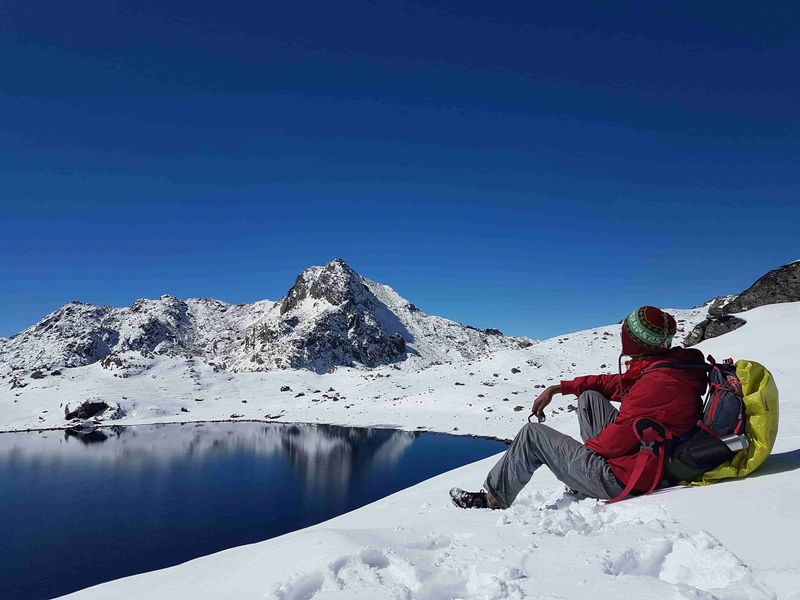
Winter trekking (December–February) is possible but cold at higher elevations, with potential snow above Langtang Village. Some teahouses close for the season. Monsoon (June–August) brings rain, leeches, and obscured views. Most trekkers avoid this period.
How Much Does the Langtang Valley Trek Cost
The Langtang Valley Trek costs between $400 and $1,200, depending on whether you trek independently or book an organized package. Budget-independent trekkers spend around $400–$700 covering permits, local transport, teahouse accommodation, and meals, while organized packages with guides, porters, and full logistics range from $600–$1,200 for the complete 7–10 day trek from Kathmandu.
Your total cost depends on transport choices, guide and porter fees, teahouse standards, and meal preferences. Independent trekkers save money but handle all logistics themselves, while organized packages include permits, experienced guides, porters, meals, and accommodation with better safety support and cultural insights. Below is a realistic cost comparison for planning your 2026 Langtang Valley Trek.
| Cost Category |
Budget Independent |
Organized Package |
| Permits |
$35–$40 |
Included |
| Transport |
$20–$50 |
Included |
| Guide/Porter |
Optional ($25–$35/day) |
Included |
| Accommodation |
$5–$15/night |
Included |
| Food |
$15–$25/day |
Included |
| Total Estimate |
$400–$700 |
$600–$1,200 |
| Cost Category |
Budget Independent |
Organized Package |
| Permits |
$35–$40 |
Included |
Permit Fees
Two permits are required. The Langtang National Park entry permit costs NPR 3,000 (approximately $22 USD) for foreign nationals. The TIMS card (Trekkers' Information Management System) costs around $10–$20, depending on whether you're trekking independently or with an agency. Both can be obtained in Kathmandu at the Nepal Tourism Board office or through your trekking company. For detailed permit information and current costs, see our complete Langtang Valley Trek Permit Cost guide.
Transport From Kathmandu to Syabrubesi
The drive from Kathmandu to Syabrubesi takes 7 to 9 hours depending on road conditions and traffic. Local buses cost around $5–$8 but are crowded and slow. Tourist buses run $15–$20. Private jeeps cost $100–$150 for the vehicle and offer more flexibility.
Guide and Porter Fees
Licensed guides charge $25–$35 per day; porters charge $18–$25 per day. If you hire independently, you're also responsible for their food and accommodation. Booking through an agency bundles these costs and ensures proper insurance coverage for your crew.
Food and Teahouse Accommodation
Teahouse rooms range from $5 to $15 per night, with prices increasing at higher elevations. Meals cost $5–$10 each, and hot drinks add up over a week. Dal bhat, the traditional Nepali meal of rice, lentils, and vegetables, is filling, nutritious, and usually the best value on any menu.
Estimated Total Budget
- Budget independent: $400–$700 (no guide, basic teahouses, local transport)
- Mid-range with guide: $700–$1,000
- Organized package: $600–$1,200 (all-inclusive with guide, porter, permits, meals)
What Permits Are Required for the Langtang Valley Trek
The Langtang Valley Trek requires two permits: the Langtang National Park Entry Permit costing NPR 3,000 (approximately $22 USD) and the TIMS card (Trekkers' Information Management System) costing $10–$20 depending on whether you trek independently or with an agency. Both permits are mandatory for all foreign trekkers and can be obtained at the Nepal Tourism Board office in Kathmandu or directly at the park entrance checkpoint in Dhunche before you start trekking toward Syabrubesi.
If you book an organized trekking package with a licensed company, permit arrangements are typically included in your itinerary cost and handled by your guide or agency before departure. Independent trekkers need to arrange permits themselves by bringing passport photos, passport copies, and cash payment to the Nepal Tourism Board office in Kathmandu, which usually takes 30 minutes to process both documents on the same day.
What to Pack for the Langtang Valley Trek
Packing for the Langtang Valley Trek requires balancing weight with essential gear for variable mountain conditions. You'll encounter warm valley temperatures, cold mornings at altitude, and potential rain or snow above 3,500 meters. A well-organized pack weighing 8–12 kilograms (excluding porter-carried items) covers clothing layers, safety equipment, and personal essentials without unnecessary bulk that slows you down on steep sections. For a comprehensive breakdown of every item you need, see our complete Langtang Valley Trek packing list.
The layering system works best: moisture-wicking base layers, insulating mid-layers like fleece or down, and a waterproof outer shell for wind and precipitation. Temperatures at Kyanjin Gompa drop below freezing at night even during peak season, so a quality sleeping bag rated to -10°C is essential since teahouse blankets provide minimal warmth. Trekking poles reduce knee strain on descents, a headlamp is necessary for early starts or evening teahouse use, and a reusable water bottle with purification tablets keeps you hydrated without buying plastic bottles at inflated prices.
Essential packing list:
- Clothing: Moisture-wicking base layers, fleece or down jacket, waterproof shell, trekking pants, warm hat, sun hat, gloves
- Footwear: Broken-in trekking boots with ankle support, camp shoes or sandals for teahouses
- Gear: Sleeping bag (-10°C rating), trekking poles, headlamp with extra batteries, sunglasses with UV protection
- Essentials: Reusable water bottle, purification tablets, sunscreen (SPF 50+), first aid kit, toiletries, quick-dry towel
- Documents: Passport, permits, travel insurance details, emergency contact information, cash in Nepali rupees
Porters can carry your main backpack up to 15 kilograms if you hire one, allowing you to trek with just a daypack containing water, snacks, a camera, and layers you'll add or remove throughout the day. Leave unnecessary items in Kathmandu hotel storage; you won't need multiple outfit changes, heavy books, or electronics beyond a phone and camera. Pack light, pack smart, and focus on gear that keeps you warm, dry, and moving comfortably at altitude.
Trekking the Langtang Valley With or Without a Guide
Both options are viable. The trail is well-marked, teahouses are plentiful, and independent trekkers complete the route regularly.
That said, a guide adds value beyond navigation. Local guides speak the language, know which teahouses have the best food, and can assess altitude symptoms with trained eyes. For first-time Nepal trekkers or those unfamiliar with high-altitude travel, trekking with a local guide reduces risk and increases cultural depth.
- Without a guide: Lower cost, more flexibility, requires self-reliance on logistics and safety
- With a guide: Local knowledge, language assistance, altitude safety support, cultural insights
Day by Day Langtang Valley Trek Itinerary
This standard 8-day itinerary balances comfortable daily distances with proper acclimatization.
| Day |
Route / Activity |
Elevation |
Details |
| Day 1 |
Drive Kathmandu ↓ Syabrubesi |
1,550m |
Scenic drive through hills, rivers, and local villages |
| Day 2 |
Trek Syabrubesi ↓ Lama Hotel |
2,470m |
Walk through forests, suspension bridges, and Langtang River |
| Day 3 |
Trek Lama Hotel ↓ Langtang Village |
3,430m |
Gradual ascent with mountain views and yak pastures |
| Day 4 |
Trek Langtang Village ↓ Kyanjin Gompa |
3,870m |
Short trek with stunning alpine scenery and glaciers |
| Day 5 |
Tserko Ri Summit & Exploration |
4,984m |
Early hike to viewpoint for sunrise and panoramic Himalayan views |
| Day 6 |
Trek Kyanjin Gompa ↓ Lama Hotel |
2,470m |
Descend through forests and villages |
| Day 7 |
Trek Lama Hotel ↓ Syabrubesi |
1,550m |
Final trekking day following Langtang River |
| Day 8 |
Drive Syabrubesi ↓ Kathmandu |
1,300m |
Return drive back to city |
What Accommodation and Food Are Available on the Langtang Trail
Accommodation on the Langtang Valley Trek consists of family-run teahouses offering basic rooms with a bed, blanket, and sometimes a pillow, with shared bathrooms throughout the route. Rooms cost $5–$15 per night, depending on altitude, with prices increasing as you climb higher toward Kyanjin Gompa. Hot showers are available at most teahouses for an extra $2–$5, though availability becomes limited above 3,500 meters, where water heating requires more fuel and effort.
Food on the trail is hearty and carb-focused to fuel your daily trekking. Dal bhatrice with lentil soup, vegetables, and pickles is the staple meal and usually offers free refills, making it the best value option. Teahouses also serve noodle dishes, momos (dumplings), pancakes, eggs, and hot drinks, with meal prices ranging from $5–$10 and increasing at higher elevations. The standard practice is staying and eating at the same teahouse since room rates are kept low with the expectation you'll purchase meals there.
Langtang Valley Trek vs Everest Base Camp vs Annapurna Base Camp
Choosing the right trek in Nepal often comes down to time, budget, altitude comfort, and crowd preference. While Langtang is quieter and more accessible,Everest Base Camp andAnnapurna Base Camp offer more iconic recognition.
Here’s how they compare in a practical way:
| Factor |
Langtang Valley Trek |
Everest Base Camp Trek |
Annapurna Base Camp Trek |
| Duration |
7–10 days |
12–14 days |
10–12 days |
| Max Altitude |
3,870m (Kyanjin Gompa) |
5,364m (EBC) |
4,130m (ABC) |
| Difficulty |
Moderate |
Challenging |
Moderate |
| Accessibility |
Drive from Kathmandu |
Flight to Lukla |
Drive to Pokhara |
| Cost |
$400–$1,200 |
$1,200–$3,500 |
$700–$2,000 |
| Crowd Level |
Low |
High |
Moderate |
| Scenery |
Valley + glaciers |
High Himalayan peaks |
Mountain amphitheater |
| Culture |
Tamang & Tibetan |
Sherpa culture |
Gurung villages |
If you want a short, less crowded, and budget-friendly trek, Langtang clearly stands out.
If your goal is to stand at the base of Everest, then EBC is worth the extra effort.
And if you want a balanced mix of scenery and comfort, Annapurna Base Camp sits in the middle.
Who Is This Trek For?
Langtang Valley Trek is perfect for trekkers who want a real Himalayan experience without extreme altitude or long travel days.
This trek is ideal if:
- You have limited time (7–10 days) but still want a complete mountain experience
- You are a first-time trekker in Nepal looking for a manageable route
- You prefer quieter trails instead of crowded Everest routes
- You want moderate difficulty without technical climbing
- You enjoy cultural interaction with local communities
- You are testing high-altitude trekking before bigger adventures
It’s also a great choice for:
- Solo travelers
- Couples
- Trekkers above 40 or 50 looking for a balanced route
- Budget-conscious travelers
But this trek may not be the best fit if
- You specifically want to see Mount Everest
- You’re chasing extreme high-altitude challenges (5000 m+).
- You prefer luxury trekking experience
How to Stay Safe and Prevent Altitude Sickness on the Langtang Trek
Altitude sickness (Acute Mountain Sickness or AMS) can affect anyone above 2,500 meters regardless of fitness level, and the Langtang Valley Trek reaches 3,870 meters at Kyanjin Gompa, where symptoms are possible. Mild symptoms include headache, fatigue, loss of appetite, and difficulty sleeping, while serious symptoms involve severe headache, vomiting, confusion, and loss of coordination. Recognizing these signs early and responding appropriately is critical for safe trekking at altitude.
Prevention is straightforward: ascend gradually following the itinerary's built-in acclimatization day at Kyanjin Gompa, stay well-hydrated throughout the trek, and listen to your body's signals. If symptoms worsen despite rest and hydration, the only reliable treatment is immediate descent to a lower elevation. Travel insurance covering high-altitude trekking and emergency helicopter evacuation is strongly recommended, as evacuation from remote areas can cost $3,000–$5,000 or more without proper coverage.
Why You Should Choose the Langtang Valley Trek
The Langtang Valley Trek offers what many trekkers want from a Himalayan experience: dramatic mountain scenery, authentic cultural encounters, and genuine altitude challenge without the logistical overhead that defines Nepal's more famous routes. You're a day's drive from Kathmandu instead of a flight and two days of walking just to reach the trailhead. The trail sees a fraction of Everest's traffic, which means quieter teahouses, uncrowded viewpoints, and interactions with locals that feel less transactional.
Why Langtang stands out:
- Accessible from Kathmandu: One day's drive to the trailhead instead of flights and multi-day approaches
- Manageable duration: Complete the trek in 7–10 days without requiring two weeks away from work
- Moderate difficulty: Suitable for reasonably fit beginners with no prior high-altitude experience
- Realistic altitude exposure: Maximum elevation of 3,870 meters at Kyanjin Gompa lets you understand how your body responds above 3,500 meters
- Diverse landscapes: Walk through distinct ecological zones from rhododendron forests to alpine meadows
- Cultural immersion: Stay in traditional Tamang villages where Tibetan Buddhist culture remains visible in daily life
- Dramatic scenery: Stand beneath 7,000-meter peaks that dominate the upper valley
- Fewer crowds: Quieter trails and teahouses compared to Everest and Annapurna regions
- Built-in flexibility: Proximity to Kathmandu means you can descend and reach medical facilities within a day if weather or altitude issues arise
For first-time Himalayan trekkers, Langtang provides a realistic introduction to high-altitude trekking without the commitment of longer itineraries or the expense of domestic flights. And if you're testing whether high-altitude trekking suits you before committing to more remote routes, this trek provides an honest answer without the investment required for regions farther from the capital.
Treks to Combine With the Langtang Valley
The Langtang region connects to several other routes, allowing extended itineraries for trekkers with more time.
Gosainkunda Lake Trek
This extension crosses Laurebina Pass (4,610 meters) to reach a sacred alpine lake revered by Hindu pilgrims. Adding the Gosainkunda trek increases the total duration to 12–14 days and raises the difficulty level significantly.
Tamang Heritage Trail
The Tamang Heritage Trail passes through traditional Tamang villages and can serve as an alternative approach or return path. The focus is on homestays, local food, and community interaction rather than high-altitude scenery.
Helambu Trek
Lower in elevation and closer to Kathmandu, Helambu passes through Sherpa and Tamang villages with a different landscape character. It connects to Langtang via Gosainkunda for trekkers wanting a longer circuit. The Langtang Helambu Trek combines both regions into a comprehensive 12–16 day route that balances high-altitude scenery with cultural immersion at lower elevations.
Why Trek the Langtang Valley With Himalayan Hero
Himalayan Hero operates with local guides who know the Langtang region intimately: not just the trail markers, but which teahouses serve the best dal bhat, where to spot red pandas in the forest, and how to read altitude symptoms before they become serious. Our guides are licensed, trained in wilderness first aid, and come from the communities you'll trek through, which means cultural insights that go beyond what's written in guidebooks.
What sets Himalayan Hero apart:
- Local expertise: Guides from Langtang communities with intimate knowledge of trails, teahouses, and cultural sites
- Complete logistics: We handle permits, transport arrangements, and teahouse bookings so you can focus on trekking
- Proper acclimatization: Itineraries include rest days at Kyanjin Gompa with realistic daily distances
- Safety protocols: Licensed guides trained in wilderness first aid with contingency plans for weather or altitude issues
- Fair employment: Guides and porters receive fair wages with proper insurance coverage
- Small groups: Group sizes kept manageable for individual attention when needed
If you're looking for organized support without the inflated pricing of international tour operators, Himalayan Hero offers the middle ground: local expertise, safety protocols, and the flexibility to adjust plans when conditions require it.
Book Your Langtang Valley Trek With Himalayan Hero
The Langtang Valley Trek delivers what most trekkers seek in the Himalayas: mountain immersion, cultural depth, and physical challenge without the logistical complexity of more remote routes. You'll walk through forests that open into alpine valleys, sleep in villages where prayer flags stretch across the sky, and stand beneath glaciated peaks that shift perspective with each day's progress. The trek rewards preparation and patience, especially at altitude, but the experience stays with you long after you've descended. If you're ready to explore Nepal's quieter side with experienced support, Himalayan Hero organizes Langtang Valley Trek packages designed around proper acclimatization, local knowledge, and the details that make the difference between a good trek and a memorable one.